
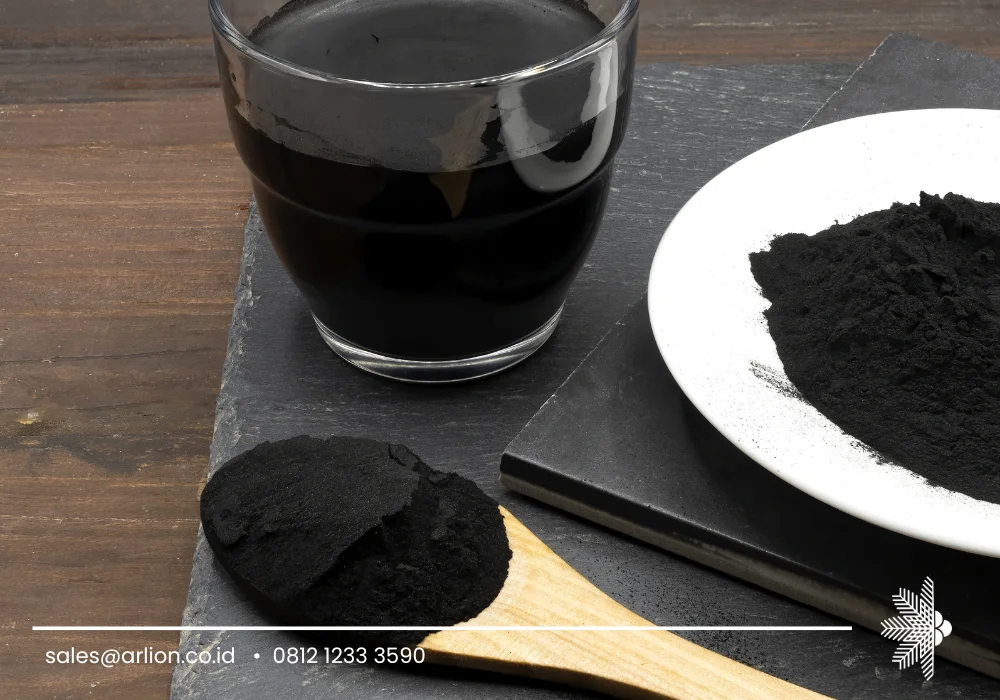
coconut charcoal powder price has become a frequently discussed topic in trade and commodity news as global demand for natural filtration, cosmetic ingredients, and industrial absorbents continues to expand. The background of this trend lies in the rising popularity of coconut-based products, particularly in markets that prioritize sustainability and eco-friendly raw materials.

Over the past decade, coconut-derived charcoal powder has evolved from a niche commodity into a strategic export product for several producing countries. Media reports highlight how shifts in manufacturing, environmental regulations, and consumer behavior have influenced pricing patterns across regional and international markets.
Global Demand Driving Market Attention
Industry analysts report that demand for coconut-based charcoal powder has increased in sectors such as water purification, air filtration, cosmetics, and even food processing. This surge has placed the coconut charcoal powder price under closer scrutiny by buyers and suppliers alike.
Trade publications note that manufacturers prefer coconut shell charcoal due to its high carbon content and porous structure. As more industries adopt sustainable sourcing policies, coconut charcoal has gained favor over mineral-based alternatives. This shift has contributed to pricing adjustments in both domestic and export markets.
Expanding Applications Across Industries
News coverage often outlines the diverse applications of coconut charcoal powder. In the cosmetic industry, it is used in facial masks and cleansing products. In environmental sectors, it serves as an absorbent material for filtration systems.
With applications broadening each year, coconut charcoal powder price movements are increasingly tied to cross-sector demand rather than a single industry. This diversification has added complexity to market forecasts.
Supply Chain and Production Factors
On the supply side, reports emphasize that raw material availability plays a crucial role in determining price levels. Coconut shells, the primary input, depend on agricultural cycles and regional production volumes.
Exporting countries in Southeast Asia are frequently cited in business news as key players in maintaining global supply. When harvest yields fluctuate due to weather patterns or logistical constraints, coconut charcoal powder price tends to reflect those changes.
Energy and Processing Costs
Production of charcoal powder involves carbonization and activation processes, both of which require energy and specialized equipment. Rising energy costs in certain regions have contributed to upward pricing pressure.
Industry experts interviewed in trade journals point out that technological advancements may help stabilize costs in the future. However, short-term fluctuations remain influenced by operational expenses and regulatory compliance requirements.
Export Market Dynamics
International trade data featured in economic reports show that export-oriented manufacturers closely monitor currency exchange rates. A strong local currency can affect competitiveness, indirectly influencing coconut charcoal powder price in overseas markets.
Logistics costs also play a significant role. Shipping disruptions and container shortages, as previously reported in global trade news, have added layers of unpredictability to commodity pricing.
Competition and Market Positioning
As more producers enter the market, competition intensifies. Some companies differentiate themselves by emphasizing quality grades, particle size consistency, and certification standards.
This segmentation means that coconut charcoal powder price can vary depending on quality classification. Premium grades often command higher prices due to stricter processing and quality assurance measures.
Environmental and Sustainability Considerations
Environmental reporting highlights that coconut shell charcoal is often regarded as a more sustainable option compared to coal-based alternatives. Utilizing agricultural by-products reduces waste and supports circular economy principles.
Such sustainability narratives can positively influence market perception and demand. However, journalists also caution that responsible sourcing and proper waste management remain essential to maintaining long-term credibility.
Regulatory Oversight
In several markets, stricter environmental and product safety standards have shaped production practices. Compliance costs may impact coconut charcoal powder price, particularly for exporters seeking certification for international markets.
Regulatory updates are frequently monitored by manufacturers to ensure alignment with evolving global requirements.
Market Forecast and Future Outlook
Looking ahead, analysts predict steady growth in demand for coconut-derived charcoal powder, particularly in green technology and cosmetic sectors. This anticipated expansion may keep coconut charcoal powder price relatively firm, provided supply remains consistent.
Investment in advanced processing facilities is expected to enhance efficiency and potentially moderate price volatility. Media reports suggest that collaboration between producers and distributors will be crucial in maintaining stable supply chains.
Technological Innovation
Emerging technologies in activation methods and particle refinement are drawing attention in industrial news. Improved efficiency could lower production costs over time, influencing pricing structures.
At the same time, market observers emphasize the importance of transparency and traceability in building buyer confidence.
Conclusion
The evolving landscape of global trade has brought coconut-derived charcoal powder into sharper focus. From supply chain considerations to sustainability narratives, multiple factors interact to shape pricing trends. As industries continue to integrate eco-friendly materials into their operations, coconut charcoal powder price will likely remain a key indicator of market health and competitiveness.
For more information, you can contact WhatsApp (+62) 812-1233-3590 or via email sales@arlion.co.id.
