
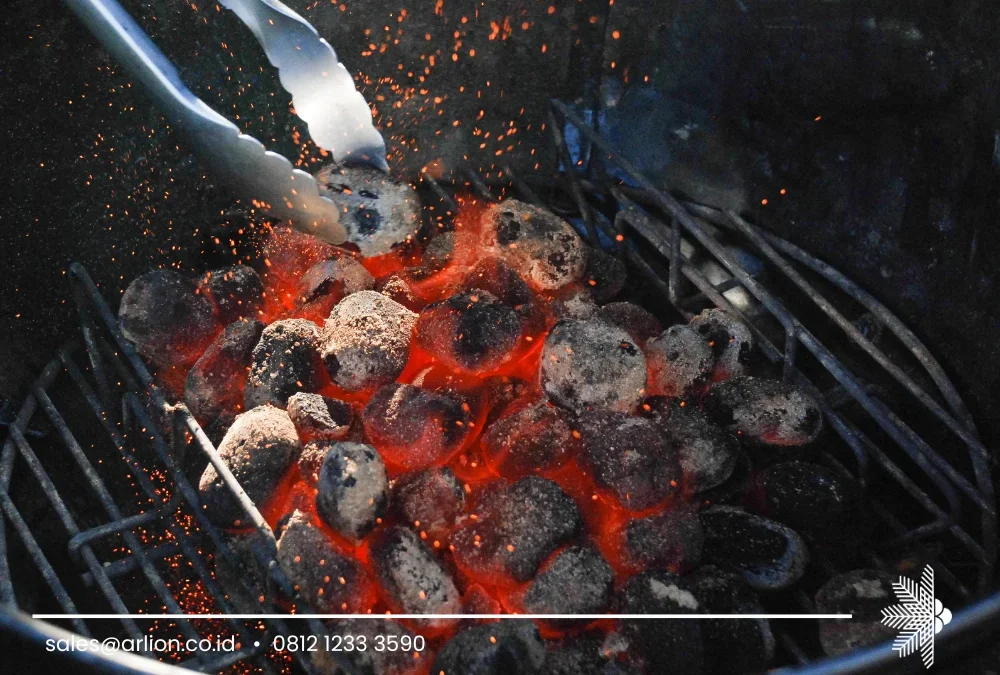
Behind every reliable grilling product is a manufacturing process that determines its performance, durability, and consistency. For restaurants, distributors, and international importers, choosing an experienced BBQ charcoal manufacturer is essential to maintaining product standards. The right manufacturing partner can provide suitable specifications, dependable production capacity, and consistent quality across repeated orders.
Coconut shell charcoal has become an attractive material for BBQ briquettes because it makes use of an agricultural by-product. Through controlled carbonization and compression, manufacturers can transform coconut shells into solid charcoal products for commercial grilling. Indonesia’s established coconut industry provides opportunities for businesses seeking coconut-based charcoal from an experienced production market.
How a BBQ Charcoal Manufacturer Produces Briquettes
The manufacturing process begins with selecting suitable coconut shells as the primary raw material. These shells undergo carbonization under controlled conditions, transforming them into charcoal while reducing moisture and volatile components. Proper carbonization is important because it influences the characteristics of the material used in the next production stages.
Once carbonized, the charcoal is crushed into smaller particles and processed into a fine powder. Manufacturers then mix the material with a suitable binder and water to achieve the consistency required for compression. The mixture is shaped using specialized machines that produce briquettes in selected dimensions and forms.
After pressing, the briquettes undergo drying to reduce moisture and improve structural stability. They are then inspected, sorted, and prepared for packaging. Careful monitoring throughout these stages helps manufacturers maintain consistent product characteristics.
Choosing the Right Raw Materials
Raw material selection has a direct influence on the final charcoal product. Coconut shells must be properly collected, stored, and prepared before carbonization. Poor handling can introduce unwanted contaminants or moisture, potentially affecting production efficiency and product quality.
Manufacturers also need to maintain consistency between raw material batches. Differences in shell condition and carbonization can influence the resulting charcoal powder. Establishing clear material requirements helps reduce variations and supports more predictable manufacturing outcomes.

Production Technology and Briquette Shapes
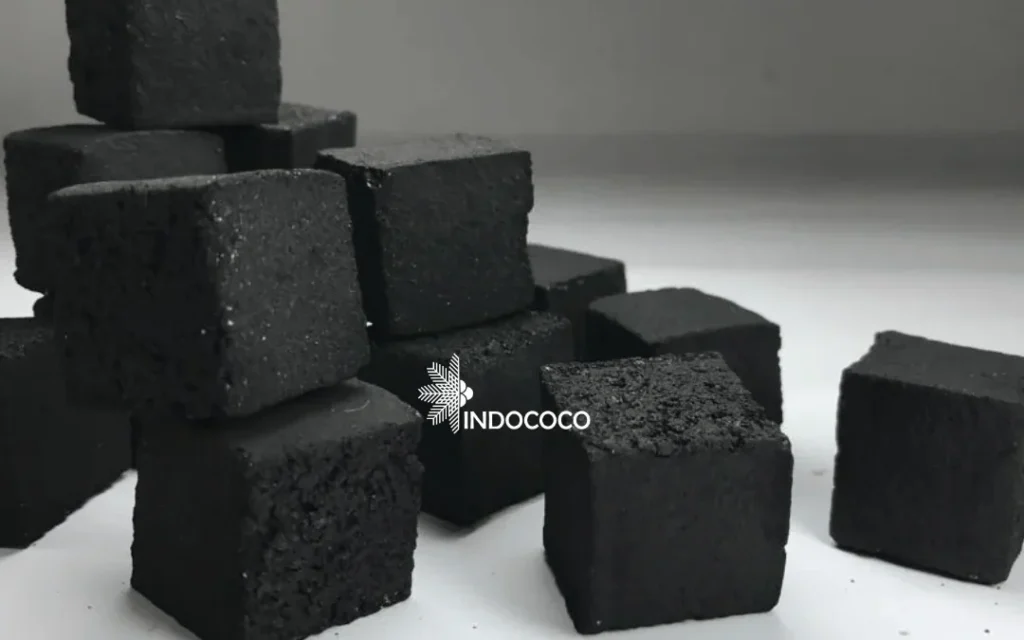
Modern production equipment allows manufacturers to create BBQ briquettes in different shapes and dimensions. Common options include cubes, hexagonal briquettes, and other forms designed for specific grilling applications. The choice depends on customer preferences, equipment compatibility, and the intended market.
Compression technology is particularly important because it determines how firmly the charcoal particles are formed. Proper pressure helps create briquettes with suitable density and physical strength. Uniform dimensions also make products easier to package, handle, and arrange during grilling.
Different shapes may offer different handling and airflow characteristics. Therefore, buyers should evaluate samples before selecting a final specification for commercial distribution.
Quality Standards in BBQ Charcoal Manufacturing
A professional manufacturer should maintain quality checks at several stages rather than relying only on the finished product’s appearance. Technical characteristics such as fixed carbon, ash content, moisture level, and density provide useful information about charcoal quality. These parameters help buyers compare products and determine whether they meet their requirements.
Burning performance should also be evaluated under practical conditions. Ignition time, heat consistency, burning duration, and remaining ash can influence the grilling experience. Manufacturers should provide accurate product specifications and, where available, supporting test results.
Physical durability is another important consideration for export products. Briquettes that break easily may create additional losses during handling and transportation. Proper compression, drying, and packaging help reduce this risk.
Custom Manufacturing for Wholesale Buyers
Not every market requires identical BBQ charcoal specifications. Restaurants may prioritize stable heat for regular cooking operations, while distributors often need standardized products suitable for retail sales. An experienced manufacturer can discuss available dimensions, packaging formats, and production quantities according to customer requirements.
Private label BBQ charcoal manufacturer is another option for businesses developing their own charcoal brands. Buyers may provide logos, packaging artwork, and product information for customized retail boxes or bulk cartons. Available services and minimum order quantities should be confirmed before production begins.
Clear agreements about specifications and packaging help prevent misunderstandings. Approving samples before mass production also gives buyers an opportunity to check whether the product matches their expectations.
Why Choose an Indonesian BBQ Charcoal Manufacturer?
Indonesia has a strong coconut-producing sector that supports the availability of coconut shells for charcoal manufacturing. This agricultural resource creates opportunities to produce value-added charcoal products for domestic and international markets. Manufacturers can use these materials to serve businesses seeking alternatives to conventional wood-based grilling charcoal.
Indonesian exporters may also support international purchasing requirements, including bulk orders, packaging preparation, and shipment coordination. However, production capabilities vary between companies. Buyers should evaluate manufacturing facilities, quality control procedures, export experience, and communication before establishing a partnership.
Building a Reliable Manufacturing Partnership
Long-term cooperation requires more than competitive quotations. Buyers and manufacturers should agree on product specifications, inspection methods, production schedules, and delivery arrangements. These details establish clear expectations and make repeat orders easier to manage.
Communication becomes especially important when businesses require customized products or recurring shipments. Manufacturers that provide transparent updates can help buyers plan inventory and respond to changing market demand. Consistent cooperation also supports better quality management over time.
Conclusion
Choosing the right BBQ charcoal manufacturer is an important step for businesses that prioritize product consistency and reliable supply. From raw material selection and carbonization to compression, drying, and packaging, every manufacturing stage contributes to the final briquette quality.
Indonesia offers sourcing opportunities through its coconut resources and established charcoal industry. By evaluating production capabilities, checking samples, and agreeing on clear specifications, international buyers can build dependable manufacturing partnerships for their BBQ charcoal businesses.
For further information, please contact WhatsApp (+62) 812-1233-3590 or via email sales@arlion.co.id.
