
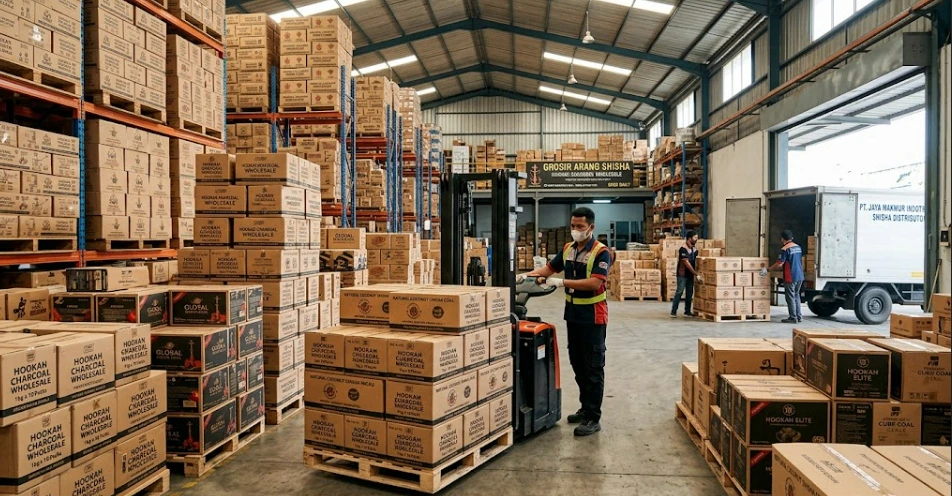
Businesses that depend on charcoal need more than a product that meets their daily requirements. They also need a stable supply chain capable of supporting large orders, predictable delivery schedules, and consistent product quality. Working with a reliable bulk charcoal supplier helps wholesalers, distributors, and commercial buyers manage these requirements more efficiently.
Indonesia has become an important sourcing destination for coconut-based charcoal because of its extensive coconut resources and established processing industry. Coconut shells can be transformed into charcoal products suitable for grilling, heating, and other commercial applications. For international buyers, sourcing directly from an experienced Indonesian supplier can provide access to larger quantities and flexible purchasing arrangements.
Why Businesses Choose a Bulk Charcoal Supplier
Purchasing bulk charcoal supplier offers practical advantages for businesses with regular consumption or distribution needs. Larger orders can simplify procurement by reducing the frequency of individual purchases. They may also provide better opportunities for negotiating prices, depending on order volume, specifications, and shipping arrangements.
A dependable supplier also helps businesses maintain inventory availability. Restaurants, retailers, wholesalers, and industrial users often operate with different consumption patterns. Establishing a consistent supply arrangement makes it easier to forecast demand and avoid unexpected shortages.
Another consideration is product consistency. When businesses purchase from one established supplier, they can agree on specific product standards and request similar characteristics across future shipments. This helps maintain customer expectations while reducing the challenges associated with sourcing from multiple manufacturers.
Types of Charcoal Available for Bulk Orders
Bulk charcoal requirements vary according to the intended application. Coconut shell charcoal is particularly popular among international buyers looking for alternative raw materials for commercial charcoal products. Depending on the manufacturing process, it can be supplied as charcoal briquettes or processed charcoal in different forms.
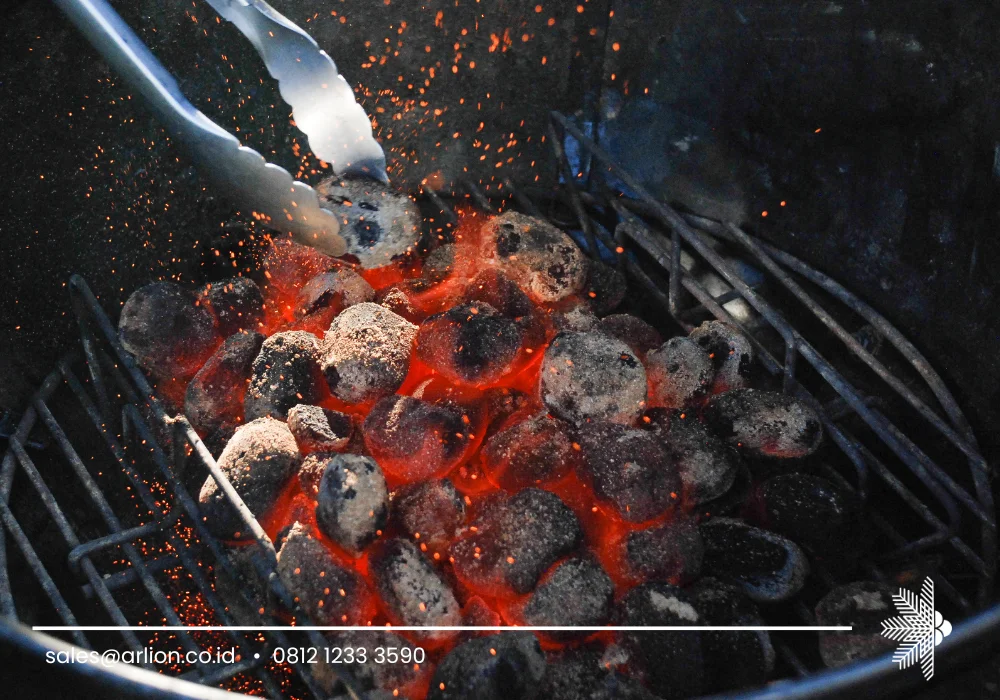
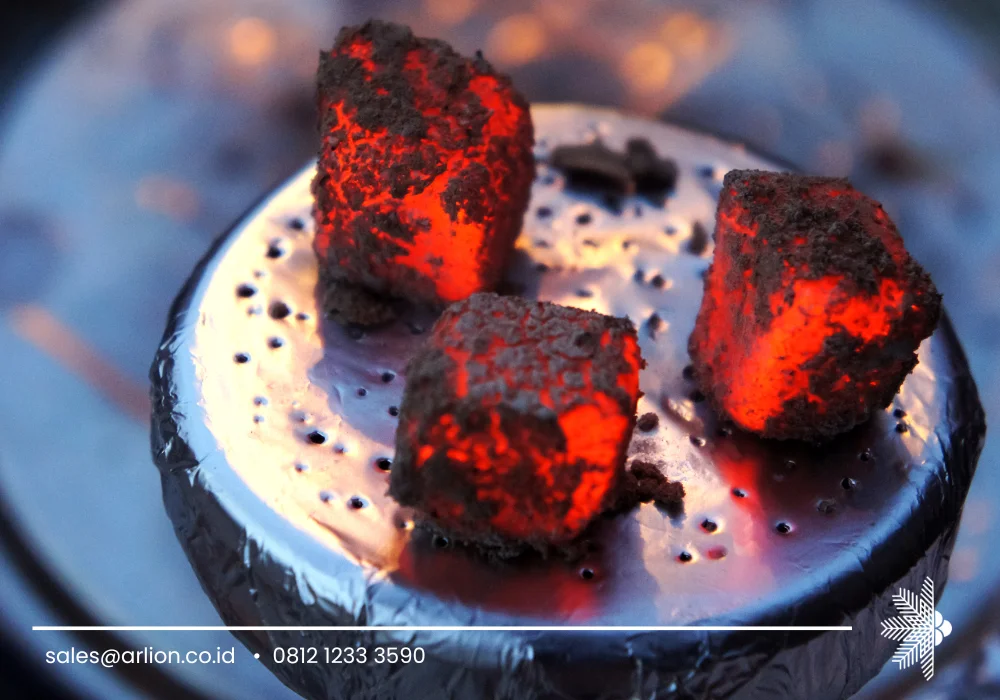
Coconut charcoal briquettes are commonly used for BBQ grilling and hookah applications. BBQ briquettes are designed to provide suitable heat for cooking, while hookah charcoal is generally produced with specifications suited to controlled heat during smoking sessions. Buyers should communicate the intended use clearly because each application requires different product characteristics.
Manufacturers may also offer different shapes, including cubes, hexagonal briquettes, and other customized forms. Selecting the right product helps businesses match their inventory with customer preferences and market requirements.
Important Factors When Purchasing Charcoal in Bulk
Large-volume purchases require careful evaluation before an order is confirmed. Price is important, but product specifications and manufacturing consistency should receive equal attention. A competitive quotation has limited value if the delivered charcoal does not meet the agreed requirements.
Buyers should review several technical characteristics, including fixed carbon, ash content, moisture level, density, and physical durability. Burning duration and heat output may also be relevant, depending on the product’s intended application. Requesting samples and checking available technical data can help verify whether the charcoal meets purchasing expectations.
Packaging deserves consideration as well. Strong cartons and suitable protective materials help reduce breakage and moisture exposure during storage and transportation. Buyers should confirm packaging dimensions and quantities before calculating their total shipment requirements.
Managing Large Orders and Export Shipments
Ordering bulk charcoal supplier involves coordination between production, packaging, documentation, and international transportation. Before confirming a purchase, buyers should discuss minimum order quantities, manufacturing lead times, payment terms, and estimated shipping schedules. These details help both parties prepare for the order more accurately.
Container loading also affects the overall cost of international procurement. Packaging dimensions, product weight, and loading arrangements determine how efficiently available container space can be used. Experienced exporters can discuss suitable configurations based on the buyer’s order volume and destination.
Importers should also clarify export documentation requirements with their supplier and logistics provider. Proper preparation helps minimize administrative complications and supports smoother coordination throughout the shipping process.
Customized Packaging for Wholesale Distribution
Not all bulk buyers sell charcoal under the same business model. Some distribute products in large cartons to commercial customers, while others divide shipments into smaller retail packages. A supplier offering flexible packaging options can help accommodate these different distribution strategies.
Private label services may also be available for businesses developing their own charcoal brands. Buyers can discuss printed boxes, company logos, product labels, and packaging configurations. Customization requirements should be finalized before production to ensure that packaging materials and artwork are prepared correctly.
Why Source Bulk Charcoal from Indonesia?
Indonesia’s coconut-producing regions provide access to raw materials used in coconut shell charcoal manufacturing. This supply supports an established industry serving domestic customers and international markets. The use of coconut shells also creates commercial value from an agricultural by-product.
For international wholesalers, Indonesian suppliers may offer bulk production, customized packaging, and export coordination. However, production capacity and service capabilities differ between companies. Buyers should assess manufacturing experience, quality control procedures, communication, and previous export experience before selecting a business partner.
Establishing a Long-Term Supply Partnership
A reliable purchasing relationship develops through consistent communication and clearly defined requirements. Buyers should document product specifications, inspection procedures, packaging standards, and delivery expectations before placing recurring orders. This provides a shared reference for managing production and evaluating future shipments.
Regular cooperation can also improve inventory planning. When suppliers understand a customer’s purchasing patterns, they can coordinate production schedules more effectively. This arrangement helps distributors maintain stock availability while building a more predictable procurement process.
Conclusion
Choosing a dependable bulk charcoal supplier is essential for businesses that require consistent products and reliable large-volume deliveries. Product specifications, manufacturing capacity, packaging quality, and export experience all contribute to a successful purchasing arrangement.
Indonesia offers attractive sourcing opportunities through its coconut charcoal industry. By evaluating samples, confirming order requirements, and establishing clear supply agreements, international buyers can develop reliable partnerships that support wholesale distribution and long-term business growth.
For further information, please contact WhatsApp (+62) 812-1233-3590 or via email sales@arlion.co.id.
