
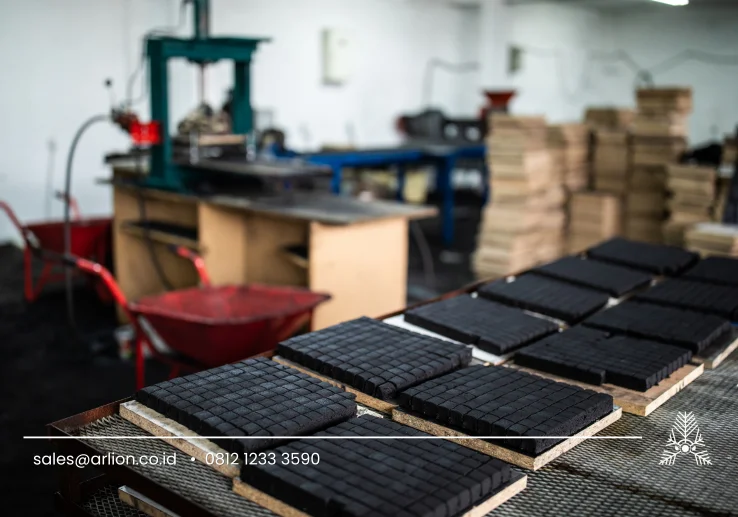
Entering the hookah market requires more than offering charcoal that burns well. Businesses also need a recognizable brand, dependable product quality, and packaging that appeals to their target customers. Private label hookah charcoal provides an opportunity for retailers, distributors, and importers to establish their own product identity without building a manufacturing facility.
Through private label manufacturing, businesses purchase charcoal produced by an established manufacturer and market it under their own brand. This arrangement allows companies to concentrate on sales, distribution, and customer relationships while relying on specialized production facilities. For businesses looking to expand their product portfolios, it can be a practical route toward developing a long-term presence in the global shisha industry.
How Private Label Hookah Charcoal Works
Private label manufacturing begins with selecting a suitable charcoal product and discussing the requirements with a manufacturer. Buyers can explore available materials, product dimensions, packaging formats, and technical specifications before deciding on a production arrangement. The manufacturer then prepares the product according to the agreed requirements and applies the buyer’s branding.
The level of customization varies between suppliers. Some offer ready-made charcoal products with customized labels, while others support more detailed packaging development and specification adjustments. Understanding these differences helps businesses choose a manufacturing partner that matches their budget, order volume, and market objectives.
Building a Distinctive Hookah Charcoal Brand
Brand presentation can influence how customers recognize and compare charcoal products. Packaging communicates essential information, including product type, quantity, manufacturer details, and handling instructions. A well-organized design also helps retailers display products clearly and maintain a consistent appearance across their product range.
Businesses developing a private label should consider their intended audience before finalizing packaging. A product designed for premium hookah lounges may require a different presentation from charcoal intended for wholesale distribution. Consistent colors, typography, and product information can help establish a recognizable identity without making unnecessary claims about performance.
Selecting the Right Coconut Charcoal Specifications
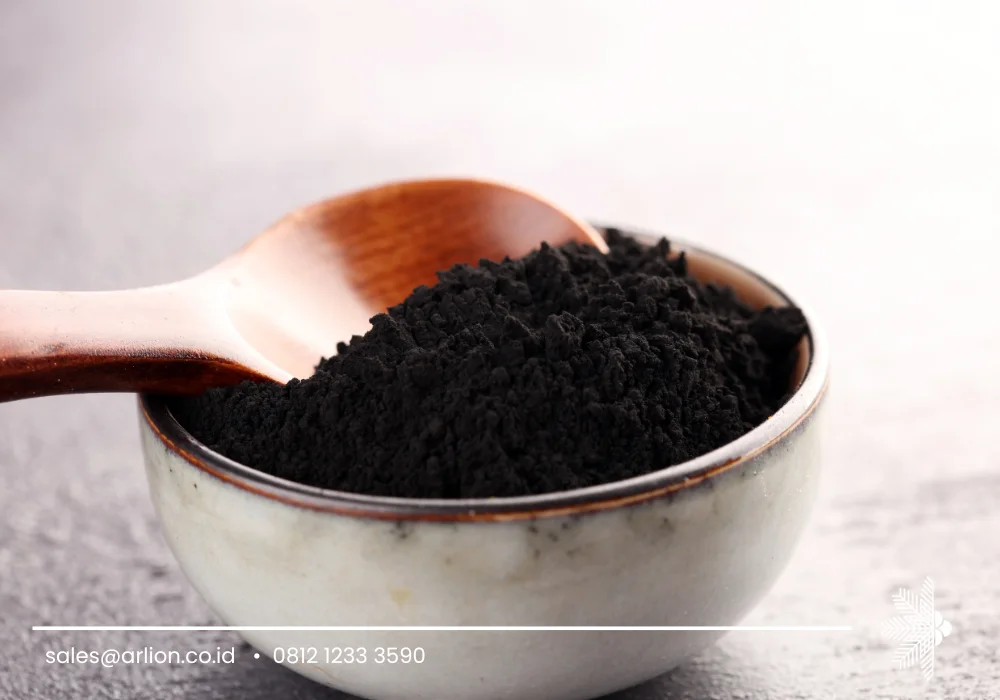
Coconut shell charcoal is widely used for hookah briquettes because properly manufactured products can deliver stable heat and relatively low ash. Its performance depends on raw material quality, carbonization conditions, compression, and moisture control. These factors should be evaluated before choosing a product for private label distribution.
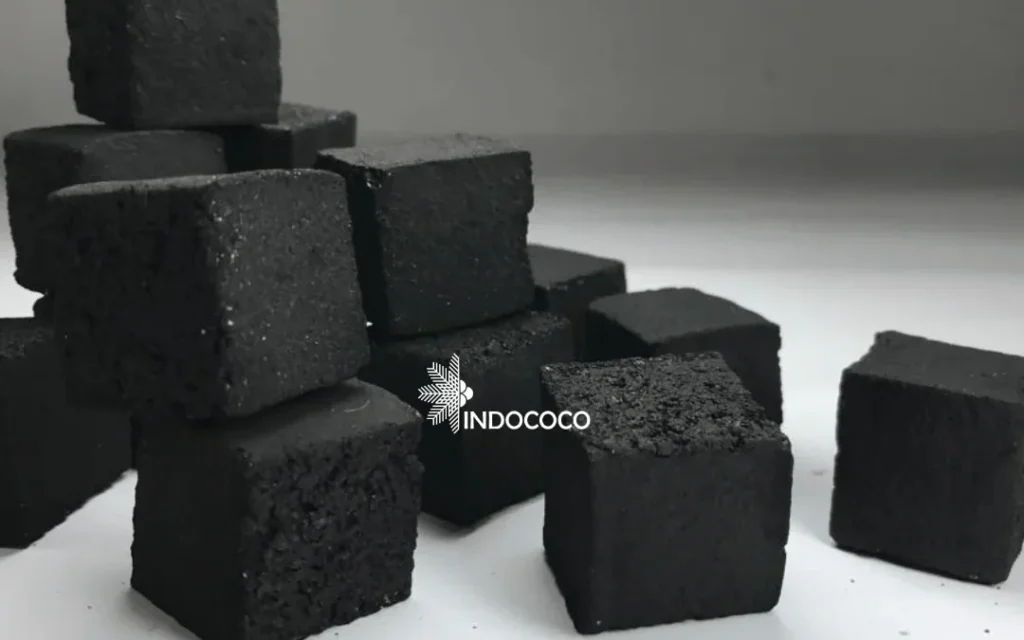
Buyers should discuss several specifications with potential manufacturers, including cube dimensions, density, moisture content, ash percentage, and burning duration. The ideal combination depends on the intended hookah equipment and customer preferences. Requesting samples allows businesses to compare products under practical conditions before approving a larger order.
Packaging Options for Private Label Hookah Charcoal
Packaging requirements can differ significantly across markets. Retailers may prefer compact boxes that fit store shelves, while distributors often require larger cartons suitable for warehouse storage and transportation. Private label manufacturers may offer several packaging formats depending on their equipment and minimum production requirements.
Custom packaging can include company logos, product names, printed artwork, and information in different languages. Buyers should confirm artwork dimensions, printing methods, carton quantities, and packaging costs before production begins. Clear approval procedures also help prevent errors when the product moves from design to manufacturing.
Quality Control and Reliable Production
A private label brand depends on consistent product quality across repeated orders. Variations in charcoal density, moisture, or dimensions can affect ignition, heat output, and handling. Manufacturers should therefore maintain quality checks throughout production rather than relying solely on a final visual inspection.
Buyers can strengthen quality management by agreeing on specifications and sample approval procedures in advance. They should also clarify how production batches will be inspected and how defective products will be handled. These arrangements create clearer expectations for both parties and help protect the brand’s reputation.
Why Source Private Label Hookah Charcoal from Indonesia?
Indonesia has an established coconut industry that supports the production of coconut shell charcoal and related products. Access to coconut-based raw materials creates opportunities for manufacturers to supply charcoal to international buyers. Experienced exporters may also support bulk orders, customized packaging, and shipment coordination.
For importers and distributors, sourcing from Indonesia can provide access to manufacturers familiar with international purchasing requirements. However, businesses should evaluate each supplier individually, including production capacity, export experience, communication, and quality control procedures. Confirming minimum order quantities and delivery schedules is equally important before entering a supply agreement.
Growing Your Business Through Private Label Partnerships
A successful private label arrangement involves more than placing a logo on an existing product. Businesses need to define their target market, select suitable charcoal specifications, and develop packaging that supports their positioning. These decisions create a foundation for consistent marketing and customer expectations.
Long-term partnerships can also improve production planning and inventory management. When manufacturers understand a buyer’s requirements, repeated orders become easier to coordinate. Clear communication about specifications, packaging changes, and delivery timelines helps maintain consistency as the brand grows.
Conclusion
Private label hookah charcoal offers retailers, wholesalers, and importers a practical way to build their own charcoal brands. Customized packaging, carefully selected specifications, and dependable production can help businesses establish a recognizable product in competitive international markets.
Working with an experienced Indonesian manufacturer provides access to coconut-based charcoal and potential export support. By evaluating samples, confirming quality standards, and establishing clear production agreements, businesses can develop a private label product line that supports sustainable growth and customer confidence.
For further information, please contact WhatsApp (+62) 812-1233-3590 or via email sales@arlion.co.id.
