

Charcoal Product has become an important commodity for businesses seeking efficient carbon-based materials for commercial and industrial applications. Produced from carbon-rich organic materials, charcoal can serve different purposes depending on its composition, shape, density, and production method. From household fuel to hospitality and industrial applications, demand continues across international markets.
For buyers, product consistency is often just as important as price. Reliable charcoal needs predictable burning characteristics, suitable moisture levels, appropriate packaging, and stable supply. Working with an experienced manufacturer or exporter can therefore help businesses maintain product quality while managing recurring orders.
Understanding Charcoal Product and Its Main Characteristics
The term Charcoal Product covers several types of charcoal developed for different commercial requirements. Traditional charcoal is commonly produced by heating biomass under controlled conditions with limited oxygen. This process removes volatile components and leaves behind a carbon-rich material capable of producing heat.
Product characteristics depend heavily on the raw material and manufacturing process. Coconut shells, wood, and other biomass sources can produce charcoal with different densities, ash content, burning behavior, and physical structures. Buyers should therefore consider the intended application before selecting a specific charcoal grade.
Coconut Shell Charcoal as a Commercial Option
Coconut shell charcoal has gained attention as a value-added product made from agricultural biomass. Instead of leaving coconut shells as unused residues, manufacturers can process them into charcoal for various commercial applications. This approach connects coconut processing with the broader utilization of renewable biomass resources.
The characteristics of coconut shell charcoal make it particularly relevant for businesses looking for dense carbon-based fuel. Depending on processing conditions, it can offer consistent combustion and relatively low ash content. These qualities have contributed to its use in hospitality, household fuel, and specialty charcoal markets.
Applications Across Different Markets
One major market for Charcoal Product is the hospitality sector. Restaurants, cafés, and food-service businesses may use charcoal for grilling and cooking applications. Consistent heat output can be important for commercial kitchens where cooking performance needs to remain stable throughout daily operations.
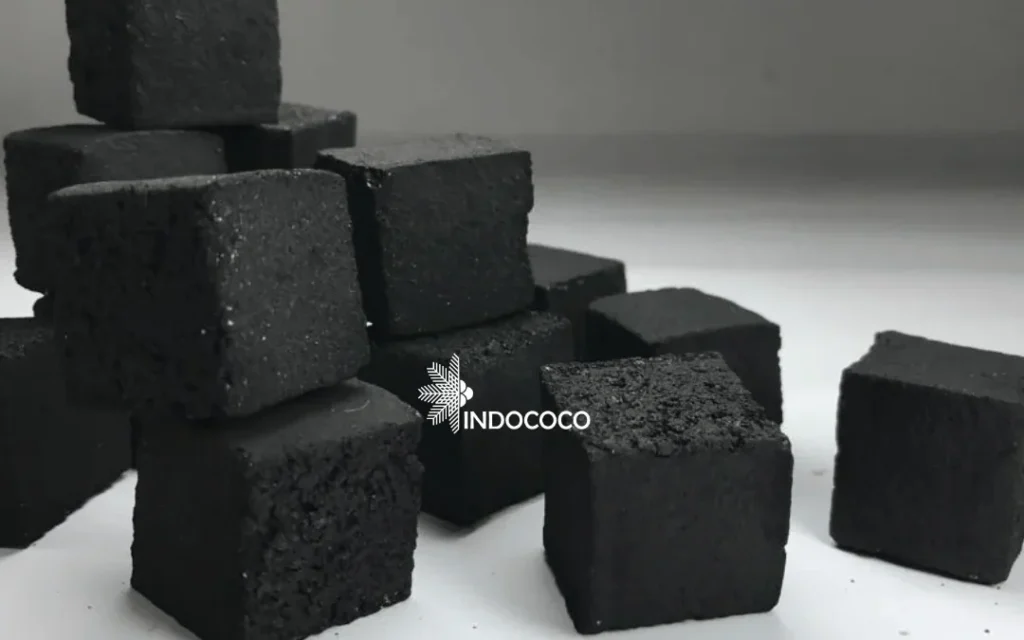
Charcoal is also widely associated with recreational and specialty fuel markets. Certain processed charcoal products are manufactured into uniform shapes for applications requiring predictable burning behavior. Product dimensions, density, and combustion characteristics become particularly important when buyers purchase charcoal for specialized uses.
Industrial applications represent another area of demand. Charcoal and related carbon materials can serve as inputs for selected manufacturing processes, depending on their technical specifications. Buyers in these markets usually require detailed information about composition and performance before approving a supplier.
Production Quality Starts with Raw Materials
The quality of a Charcoal Product begins long before the final packaging stage. Raw material selection directly influences the properties of the finished charcoal. Manufacturers therefore need to maintain consistent sourcing practices and carefully manage biomass preparation before carbonization.
During production, controlled carbonization helps transform biomass into charcoal while maintaining desired characteristics. Temperature, heating duration, moisture levels, and processing conditions can all influence the final product. Consistent production methods are essential when supplying large quantities to international customers.
After carbonization, charcoal may undergo additional processes such as crushing, screening, shaping, or sizing. These steps help manufacturers produce uniform products according to customer specifications. Quality checks can then verify physical and chemical characteristics before the goods are prepared for shipment.
Packaging and Export Considerations
International buyers need packaging that protects charcoal throughout storage and transportation. Proper packaging can reduce exposure to moisture, prevent contamination, and make products easier to handle during loading and unloading. The appropriate packaging format depends on order volume and the buyer’s distribution requirements.
Bulk shipments are commonly preferred by importers purchasing charcoal for further distribution or industrial use. Retail-oriented businesses may instead require smaller bags with specific weights and labeling. Flexible packaging capabilities allow suppliers to accommodate different purchasing models.
Choosing the Right Charcoal Product Supplier
Selecting a supplier requires careful evaluation of quality, production capacity, and export experience. Buyers should compare technical specifications rather than relying solely on product appearance or price. A lower initial cost may not provide value if inconsistent quality creates problems during subsequent operations.
Production capacity is equally important for businesses with recurring demand. A supplier should have sufficient raw materials, processing capabilities, and quality control procedures to maintain consistent output. Reliable production planning can help prevent supply interruptions when order volumes increase.

Growing Opportunities in the Global Charcoal Market
Demand for charcoal continues to evolve alongside interest in biomass utilization and value-added agricultural products. Manufacturers are increasingly developing specialized charcoal formats for specific commercial applications rather than relying solely on traditional fuel markets.
This creates opportunities for exporters with consistent production and flexible customization capabilities. By offering different sizes, shapes, packaging formats, and specifications, suppliers can respond to the requirements of buyers across multiple countries and industries.
For businesses entering the charcoal market, reliable sourcing remains a key consideration. Consistent quality and dependable logistics can help importers maintain their own distribution networks while building stronger relationships with customers.
Partner with a Reliable Charcoal Product Supplier
A high-quality Charcoal Product can serve a wide range of commercial needs, from food-service fuel and hospitality applications to specialty and industrial markets. Its performance depends on raw material selection, controlled production, quality inspection, and appropriate packaging.
For international buyers, choosing an experienced charcoal supplier provides greater confidence in product consistency and supply continuity. With reliable production, flexible specifications, and professional export support, businesses can develop sustainable sourcing partnerships and respond effectively to growing global demand.
For further information, please contact WhatsApp (+62) 812-1233-3590 or via email sales@arlion.co.id.
