
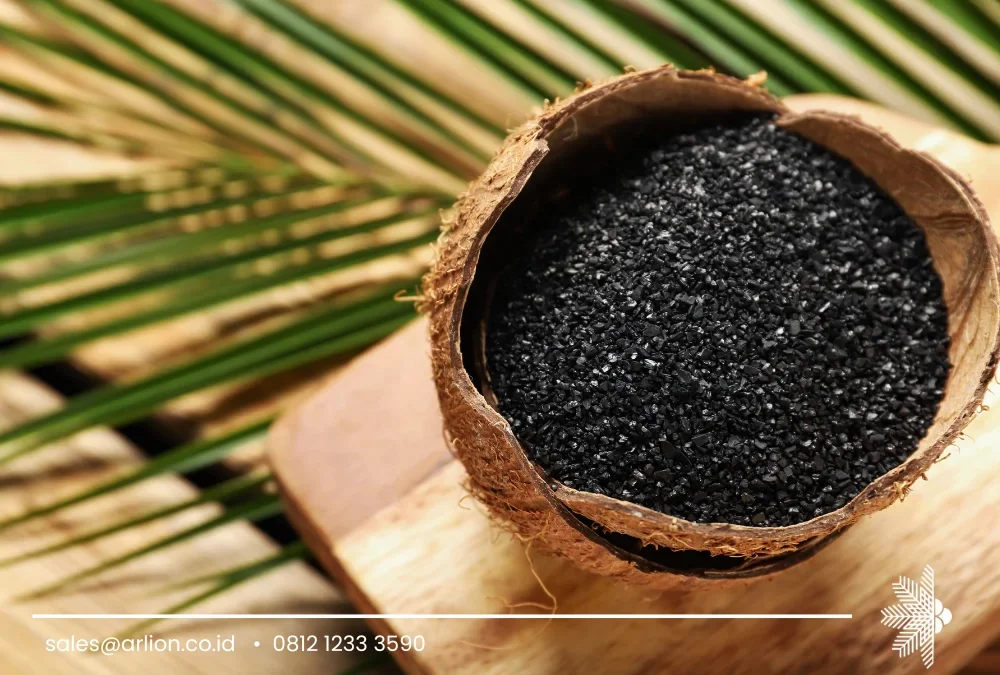
Grilling quality depends on more than cooking techniques and fresh ingredients. The fuel used during preparation also influences heat distribution, cooking duration, and overall convenience. Coconut BBQ charcoal has become an interesting option for restaurants, barbecue businesses, retailers, and consumers seeking reliable grilling fuel.
Produced from processed coconut shells, this charcoal transforms agricultural by-products into useful energy products. Its characteristics make it suitable for different grilling applications when manufactured under controlled conditions. With Indonesia’s established coconut industry, international buyers can explore various coconut charcoal products for commercial and retail markets.
What Is Coconut BBQ Charcoal?
Coconut BBQ charcoal is a type of charcoal made from coconut shells that have undergone carbonization and further processing. Unlike traditional charcoal produced from wood, this product utilizes shells left over from coconut processing activities. The material is converted into charcoal and may be compressed into briquettes for easier handling and distribution.
The manufacturing process influences the final product’s density, durability, and combustion characteristics. Properly processed coconut charcoal can provide steady heat and relatively low ash production. These qualities make it a practical choice for grilling businesses that require predictable fuel performance.
How Coconut Shells Become BBQ Charcoal
The transformation begins with collecting and preparing suitable coconut shells. The shells are carbonized under controlled temperatures to produce charcoal while reducing moisture and volatile substances. Maintaining appropriate conditions during this stage helps create raw charcoal with consistent characteristics.
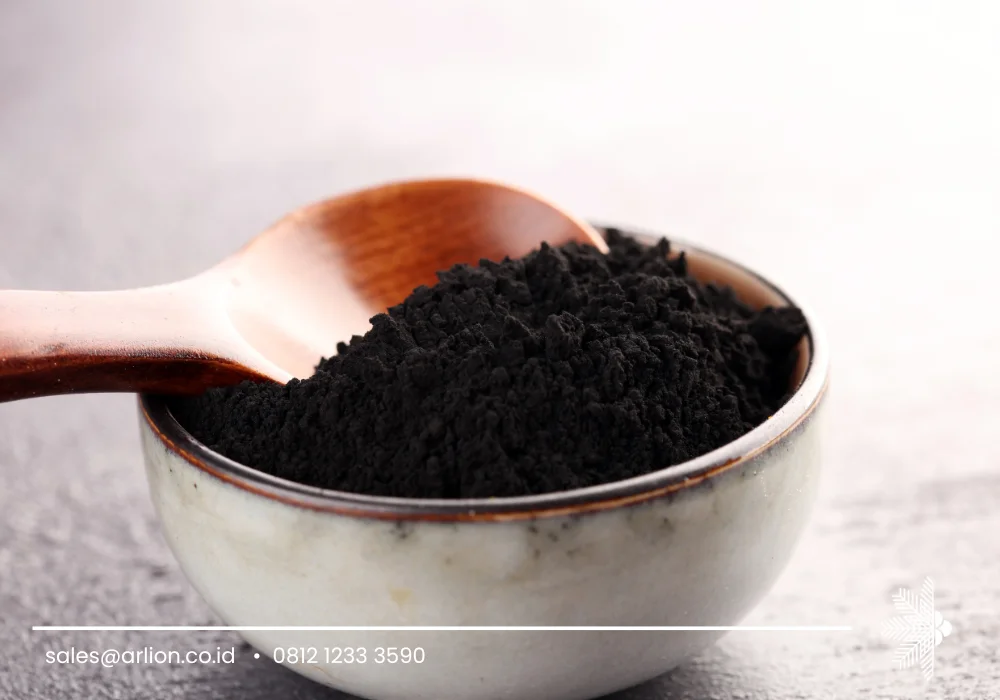
After carbonization, the material is crushed into fine particles. Manufacturers then combine the charcoal powder with a suitable binder and water before compressing it into selected briquette shapes. The formed products undergo drying to reduce moisture and strengthen their structure before inspection and packaging.
Each production stage contributes to the finished briquette’s performance. Consistent raw materials, appropriate compression, and sufficient drying help manufacturers maintain product quality across different batches.
Advantages of Using Coconut BBQ Charcoal
One notable advantage is its potential to maintain stable heat during grilling. Properly manufactured coconut charcoal briquettes can support extended cooking sessions without requiring frequent replacement. This characteristic is useful for restaurants and barbecue businesses that prepare multiple orders throughout the day.
Another benefit is relatively low ash production. Less residue can make grill maintenance easier and reduce the amount of cleaning required after use. The actual ash level depends on raw material quality and manufacturing standards, so buyers should always review product specifications.
Coconut charcoal also makes productive use of agricultural waste. Coconut shells that might otherwise have limited commercial value can be converted into marketable charcoal products. This creates an additional economic opportunity within coconut-producing communities.
Choosing the Right Briquette Shape and Size
Product dimensions can influence how charcoal performs inside different grills. Common briquette shapes include cubes, pillow shapes, and hexagonal designs. Each format offers different handling characteristics and may suit particular grilling equipment.
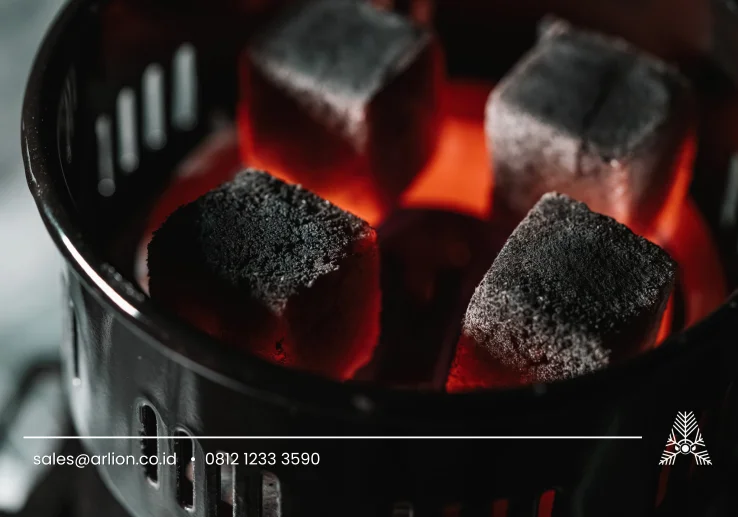
Cube briquettes provide a compact shape that is convenient for storage and arrangement. Pillow-shaped products offer another option for commercial grilling, while hexagonal briquettes may feature a central opening that supports airflow. Buyers should consider their equipment and cooking requirements before selecting a specific design.
Uniform dimensions are important when ordering large quantities. Consistent sizing helps businesses manage fuel distribution and achieve more predictable grilling conditions. Requesting samples before confirming production can help verify whether a particular format meets operational needs.
Important Quality Specifications for Buyers
Not all coconut charcoal products have identical characteristics. Buyers should evaluate technical specifications to understand the quality and suitability of each product. Several parameters provide useful information when comparing manufacturers.
- Fixed carbon: Indicates the carbon proportion in the charcoal and helps assess its composition.
- Ash content: Shows how much residue remains after combustion.
- Moisture content: Influences ignition and storage conditions.
- Density: Affects briquette strength and combustion behavior.
- Burning duration: Helps buyers evaluate performance for their intended grilling applications.
These specifications should be supported by accurate product information or appropriate testing. Evaluating samples under practical conditions also provides a clearer understanding of actual grilling performance.
Applications in Commercial and Residential Grilling
Coconut BBQ charcoal serves different customer segments, from household users to professional food businesses. Restaurants can use it for preparing grilled meat, seafood, vegetables, and other barbecue dishes. Its consistent heat characteristics can support cooking operations that require dependable fuel.
Catering companies and outdoor barbecue services may also benefit from briquettes that are easy to store and handle. Retail distributors can offer coconut charcoal to consumers who enjoy grilling at home, camping, or hosting outdoor gatherings. Different packaging sizes allow businesses to serve these markets more effectively.
Why Source Coconut BBQ Charcoal from Indonesia?
Indonesia has abundant coconut resources and an established industry producing coconut-derived products. This creates opportunities for international buyers seeking coconut shell charcoal for commercial applications. Local manufacturers can offer different briquette shapes, product specifications, and packaging arrangements depending on their production capabilities.
For importers and distributors, working with an Indonesian exporter can support bulk purchasing and international shipment coordination. Buyers should evaluate production capacity, quality control, export experience, and communication before selecting a supplier. Clear agreements about specifications and delivery schedules help establish a dependable sourcing relationship.
Conclusion
Coconut BBQ charcoal offers a practical grilling solution by combining useful combustion characteristics with the productive use of coconut shell materials. Its potential for stable heat, relatively low ash, and different briquette formats makes it suitable for residential and commercial applications.
Indonesia provides attractive sourcing opportunities through its established coconut industry. By comparing technical specifications, testing samples, and choosing an experienced manufacturer, international buyers can find products that match their grilling requirements and support long-term business needs.
For further information, please contact WhatsApp (+62) 812-1233-3590 or via email sales@arlion.co.id.
