
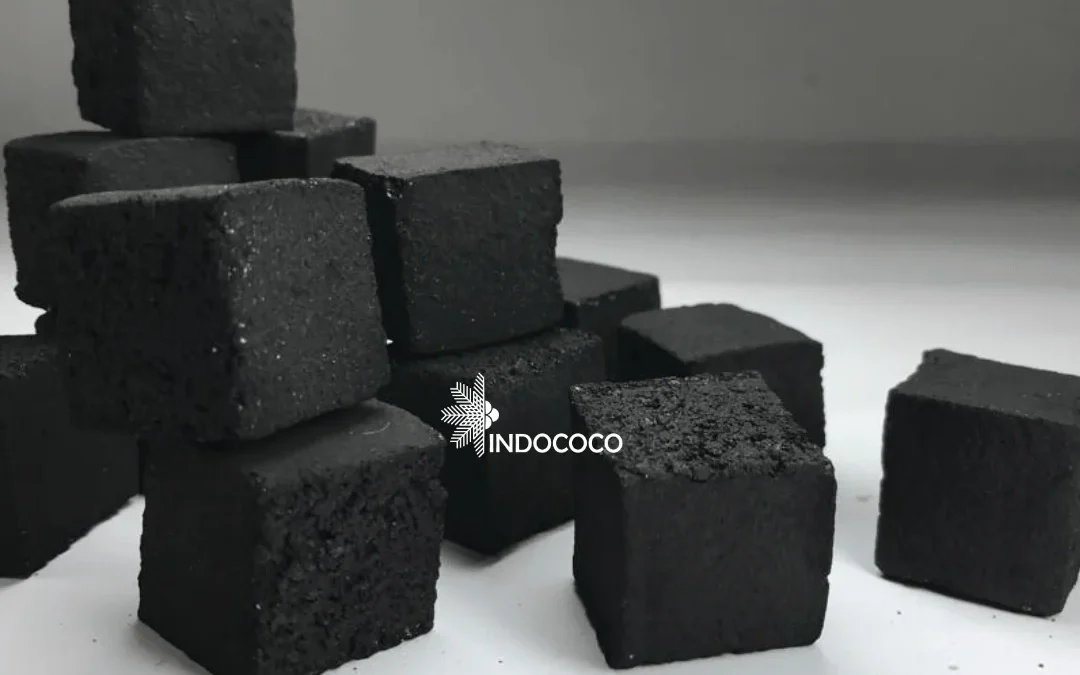
The demand for high-quality charcoal continues to grow as hookah lounges, distributors, and retailers seek better products for their customers. Coconut charcoal cubes have become a popular choice because they offer stable heat, consistent burning, and practical handling. Made from coconut shell charcoal, these briquettes provide an alternative to traditional wood-based charcoal. Their performance and sustainable raw material make them increasingly attractive in international markets.
Indonesia is well known for its abundant coconut resources and established charcoal production industry. Coconut shells that might otherwise become agricultural waste can be processed into valuable charcoal products. Through controlled carbonization, crushing, mixing, pressing, and drying, manufacturers can produce dense briquettes with consistent characteristics. This process creates opportunities for businesses looking for dependable charcoal products from Indonesia.
Why Choose Coconut Charcoal Cubes?
The cube shape provides several practical advantages for hookah and shisha applications. Uniform dimensions allow users to distribute heat more evenly across the bowl, making temperature management easier during longer sessions. Dense briquettes can also maintain their structure while gradually releasing heat. For commercial hookah businesses, these characteristics help reduce interruptions and create a more consistent experience for customers.
Another advantage comes from the composition of coconut shell charcoal itself. Properly processed coconut charcoal can produce relatively low ash while maintaining strong heat output. Lower ash levels help reduce cleaning requirements and allow users to enjoy longer sessions without frequent charcoal replacement. When manufactured correctly, the cubes can also provide a cleaner and more controlled burning experience.
How Coconut Charcoal Cubes Are Manufactured
Quality begins with the selection of suitable coconut shells. Manufacturers first prepare the shells before carbonizing them under controlled conditions with limited oxygen. This process converts the organic material into charcoal while preserving a high carbon content. The resulting charcoal is then crushed into smaller particles before entering the briquette production stage.
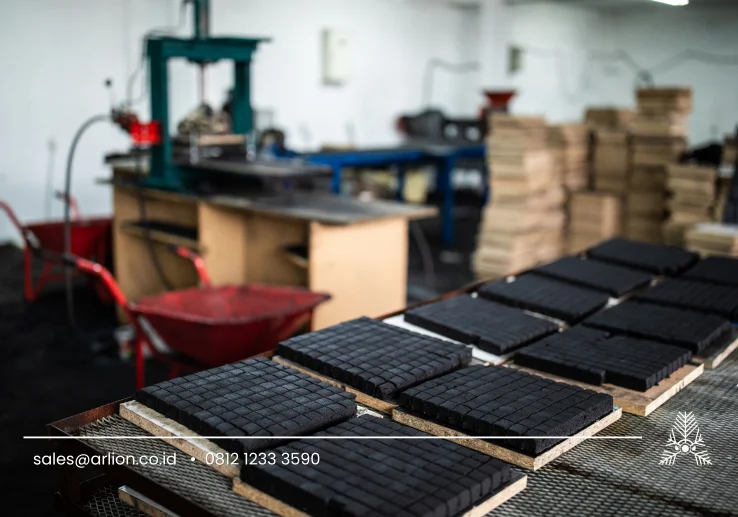
During production, charcoal powder is mixed with a suitable binder and controlled amounts of water. The mixture is compressed using specialized equipment to create uniform cube-shaped briquettes. Pressure must remain consistent because density directly affects burning performance and structural strength. After pressing, the briquettes are carefully dried until they reach the required moisture level.
Quality inspections take place before the finished charcoal reaches the packaging stage. Manufacturers may evaluate moisture content, ash percentage, fixed carbon, density, dimensions, and burning duration. These checks help identify inconsistencies and ensure that products meet established specifications. Consistent quality becomes especially important when charcoal is produced for international wholesale orders.
Benefits for Hookah and Shisha Businesses
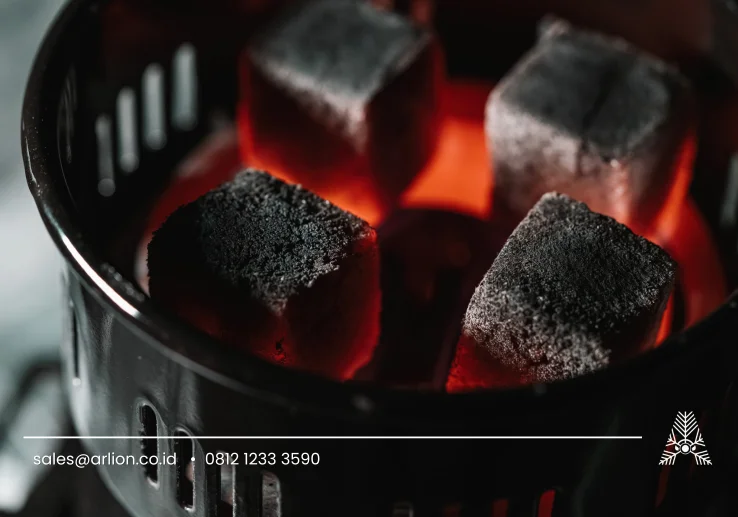
For hookah lounges and shisha establishments, reliable charcoal can make daily operations more efficient. Staff members can manage heat more easily when briquettes have similar dimensions and burning characteristics. Longer burning periods may also reduce the frequency of charcoal replacement during customer sessions. These practical benefits contribute to smoother service and better overall customer satisfaction.
Retailers can benefit from the product’s convenient shape and recognizable appearance. Cube briquettes are relatively easy to package, stack, store, and transport compared with irregular charcoal pieces. Their standardized dimensions also allow businesses to develop consistent product packaging for different markets. This makes them suitable for both specialty retailers and larger distribution networks.
Sustainable Value of Coconut Shell Charcoal
Environmental considerations are becoming increasingly important when businesses select fuel products. Coconut charcoal offers a more resource-efficient approach because its raw materials come from coconut processing. Instead of leaving shells unused, manufacturers can transform these agricultural by-products into commercially useful charcoal briquettes.
This approach supports a circular use of resources while reducing dependence on conventional hardwood charcoal. For companies with sustainability-focused branding, coconut-based products can provide additional value when communicating responsible sourcing practices. The combination of renewable agricultural materials and practical performance makes coconut charcoal attractive to environmentally conscious buyers.
Wholesale and Private Label Opportunities
International distributors often require products that can be adapted to their own markets. Manufacturers of coconut charcoal cubes can support wholesale buyers through customized packaging, private labeling, and different order quantities. Businesses may request printed boxes, company logos, product information, or packaging configurations designed for specific retail channels.
Private label production allows distributors to establish their own brands without investing in manufacturing infrastructure. A capable factory manages production while the buyer focuses on branding, sales, and market development. For growing companies, this arrangement can simplify sourcing while providing greater control over the final customer presentation.
Large-volume buyers should also evaluate production capacity before choosing a supplier. Consistent manufacturing capacity helps ensure that future orders can be fulfilled without major changes in product quality. Clear communication about specifications, packaging, quantities, and delivery schedules can further strengthen long-term supplier relationships.
Choosing an Indonesian Charcoal Manufacturer
Indonesia offers strong potential for international businesses seeking coconut-based charcoal products. However, buyers should evaluate manufacturers based on more than competitive pricing. Production experience, quality control procedures, factory capacity, packaging options, export experience, and communication should all be considered before placing substantial orders.
Requesting product samples is a practical way to evaluate charcoal before committing to larger purchases. Buyers can test ignition speed, heat stability, burning duration, ash production, and briquette durability. Once the product meets expectations, establishing regular purchasing arrangements can create a more predictable supply chain.
With their consistent shape, reliable heating characteristics, and sustainable raw material, coconut charcoal cubes offer strong potential across global hookah and shisha markets. Indonesian manufacturers can provide scalable production and export-oriented solutions for distributors, wholesalers, retailers, and private label brands. Choosing a reliable manufacturing partner allows businesses to maintain product quality while developing a stronger and more dependable charcoal supply chain.
For more information, please contact WhatsApp (+62) 812-1233-3590 or email.
