
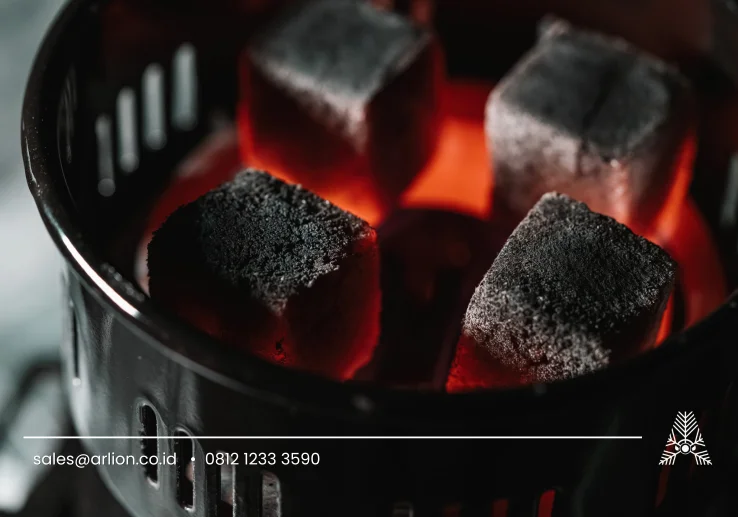
The charcoal industry continues to evolve as businesses search for products that combine performance with responsible resource utilization. Among various alternatives, coconut husk charcoal has attracted attention because coconut-based materials can be transformed into valuable charcoal products.
Indonesia has a strong coconut industry that generates substantial amounts of agricultural by-products. These materials can become useful resources when processed through appropriate charcoal production methods. Instead of leaving coconut residues unused, manufacturers can convert them into charcoal for different commercial applications.
For international buyers, the appeal goes beyond sustainability. Quality charcoal must also provide dependable heat, suitable burning characteristics, manageable ash levels, and consistent performance. Therefore, understanding how coconut-based charcoal is produced can help businesses make better sourcing decisions.
What Is Coconut Husk Charcoal?
Coconut husk charcoal refers to charcoal produced from coconut-based biomass through a controlled carbonization process. Coconut husks contain organic material that can be processed under limited oxygen conditions to create carbon-rich charcoal.
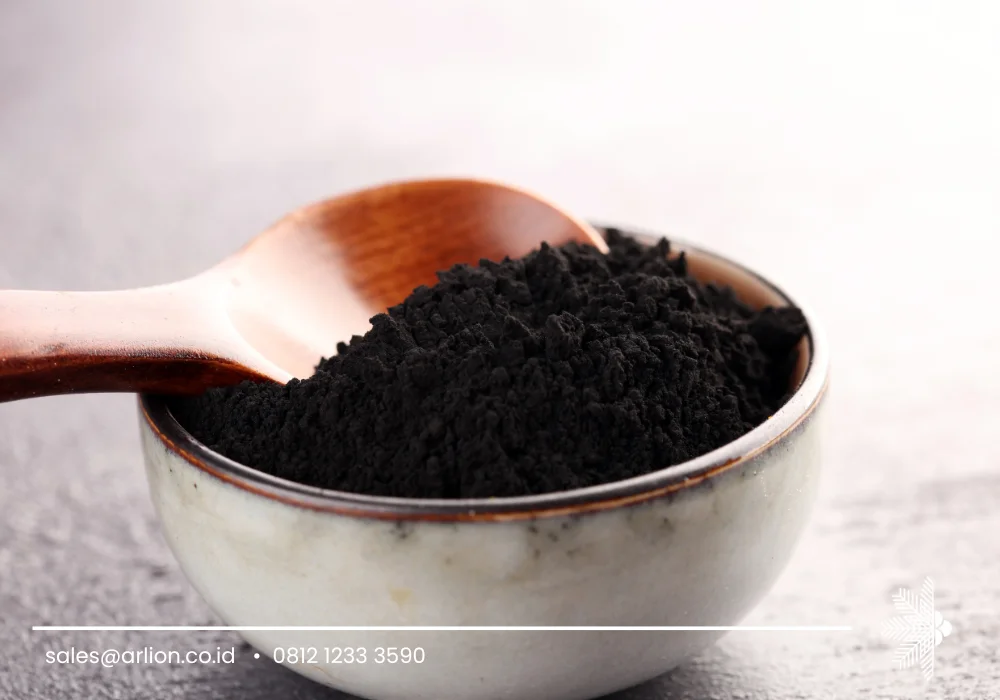
After carbonization, the resulting material may undergo additional processing depending on its intended application. Manufacturers can crush, sieve, mix, and compress the charcoal into different forms according to customer requirements.
The final product can be developed for several applications, including household fuel, industrial use, barbecue products, and charcoal briquettes. Production specifications usually depend on the required heat output, burning duration, density, and ash content.
Quality begins with proper raw material preparation. Clean and adequately dried coconut materials help manufacturers achieve more predictable carbonization results and better control over the finished product.
Turning Coconut Waste into Valuable Resources
One of the strongest advantages of coconut-based charcoal production is resource utilization. Coconut husk charcoal processing generates various materials that may otherwise have limited commercial value.
Converting these materials into charcoal creates an additional use for agricultural resources. This approach supports a circular production model where materials from the coconut industry can return to the commercial supply chain.
For manufacturers, efficient raw material utilization can also support more sustainable production strategies. It reduces dependence on conventional wood resources while creating products with established commercial demand.
This concept is especially relevant for international businesses seeking environmentally conscious products. Sustainable sourcing can become an important part of a company’s product positioning, particularly when customers increasingly consider environmental factors during purchasing decisions.
Production Process and Quality Considerations
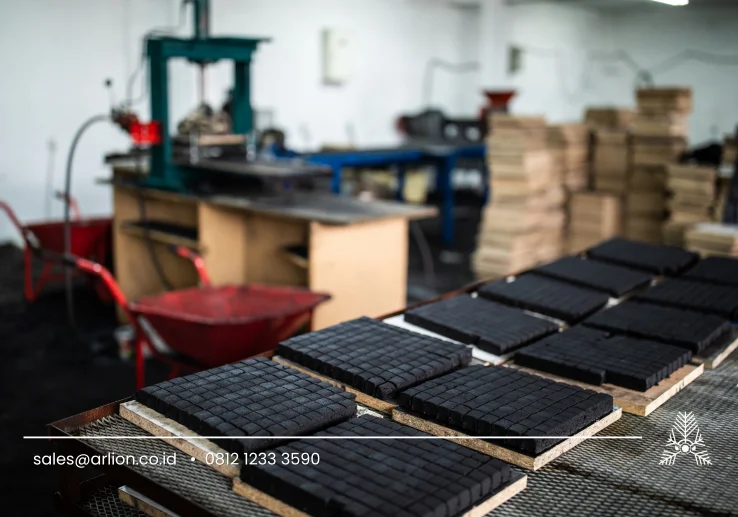
Producing reliable coconut charcoal requires careful control at every stage. The process generally begins with preparing suitable coconut materials before carbonization takes place.
During carbonization, controlled heat removes moisture and volatile components from the raw material. The remaining carbon-rich material can then be processed into the required charcoal form.
If briquettes are being manufactured, the charcoal is typically crushed into smaller particles before being mixed with suitable binding materials. The mixture is compressed under controlled pressure to create dense and uniform briquettes.
Drying is another essential stage because excessive moisture can affect ignition and overall burning performance. Properly dried briquettes generally provide more stable combustion and improved handling during transportation.
Quality inspections may evaluate moisture, ash, density, fixed carbon, dimensions, and burning performance. Consistent testing helps manufacturers maintain similar characteristics across different production batches.
Why Consistency Matters for Global Buyers
International buyers often purchase charcoal in substantial quantities, making consistency a major consideration. A product that performs well in one shipment should deliver similar results in subsequent orders.
Inconsistent charcoal can create difficulties for distributors and retailers. Differences in size, density, moisture, or burning duration may lead to customer complaints and unpredictable inventory performance.
Reliable manufacturers therefore establish standardized production procedures. Raw materials are carefully selected, production conditions are monitored, and finished products are inspected before packaging.
Packaging also contributes to product quality. Strong packaging helps protect charcoal from moisture, impact, and contamination during long-distance transportation. This becomes particularly important when products are shipped internationally.
Applications of Coconut-Based Charcoal
Coconut charcoal can serve different markets depending on its manufacturing specifications. Briquettes are commonly developed for barbecue applications where steady heat and controlled burning are important.
Other charcoal formats can support industrial or household applications requiring a dependable carbon-based fuel source. Product design can be adjusted according to the specific requirements of each market.
For businesses entering the charcoal industry, understanding the intended application is essential before selecting a product. Different customers may prioritize burning duration, heat intensity, ash percentage, ignition speed, or briquette dimensions.
Manufacturers with flexible production capabilities can adjust specifications according to buyer requirements. This creates opportunities for wholesalers, distributors, importers, and private-label businesses seeking customized charcoal products.
Choosing a Reliable Indonesian Charcoal Manufacturer
Indonesia offers strong potential for businesses sourcing coconut-based charcoal because of its established coconut industry and manufacturing capabilities. However, buyers should evaluate suppliers carefully before placing large orders.
Production capacity, quality control, export experience, packaging options, and communication should all be considered. Requesting samples can also help buyers evaluate charcoal performance before committing to larger quantities.
A reliable manufacturing partner should provide clear product specifications and maintain consistent quality throughout the production process. Transparent communication makes it easier to establish expectations regarding quantities, packaging, delivery schedules, and technical requirements.
For businesses seeking a sustainable alternative within the charcoal market, coconut husk charcoal provides an opportunity to combine resource efficiency with commercial applications. With proper manufacturing and quality control, coconut-based charcoal can become a dependable product for international markets while supporting more responsible use of agricultural resources.
For more information, please contact WhatsApp (+62) 812-1233-3590 or email.
